

9th Southern Cross Australasian Travel and Tropical Medicine Conference
11-13 September 2026. Venue: InterContinental Brisbane, Australia
2026 Workshops
Workshops led by Industry Experts
This year there will be 10 workshops running throughout the conference. Workshops are included in full conference registration.
 |
Workshop 1: Travel Clinics: Common Problems with Practical SolutionsFriday 11 September, 11:00am-12:30pm Facilitator: Caroline Nash RN |
Travel Clinics: Common Problems with Practical Solutions
Overview
This interactive workshop explores common challenges encountered in travel clinic practice, with a focus on practical approaches to managing diverse traveller populations. Emphasis is placed on clinical decision-making, risk prioritisation and effective communication in real-world settings.
Participants will engage in facilitated discussion of common problems in travel medicine, followed by application through case-based scenarios involving high-risk/adventure travellers and mature travellers. The session aims to support clinicians in navigating complexity and uncertainty in travel health consultations.
Caroline Nash
Tonia Buzzolini RN, MPHTM, CTHISTM
Tonia brings more than 26 years of extensive experience in travel medicine, developed through her longstanding career with Travelvax Australia, where she currently serves as National Operations Manager. She holds a Master of Public Health & Tropical Medicine (MPH & TM) and the International Society of Travel Medicine’s Certificate of Travel Health (CTH). In addition, Tonia contributes to the field as a member of the ISTM Exam Committee for the CTH since 2025.
Tonia is also a contributing author to The Practical Compendium of Immunisations for International Travel (Springer, 2015). She has been a Fellow of the Faculty of Travel Medicine with the Australasian College of Tropical Medicine since 2015 and has played a significant role in the development of educational modules, clinical protocols, and operational procedures within travel medicine.
Tonia is frequently invited to present at national conferences, including the Sonic Clinical Services National Travel Medicine Conference. She has also co-presented annually at the Southern Cross Travel Medicine Conferences since 2019.
Danielle Peel
Danielle Peel is a Nurse Practitioner with a scope of practice that includes Travel Medicine, Primary Care, Women’s health and Forensic medical examinations. She is a proud member of Travel clinics Australia, and an Academic at the University of Newcastle. Danielle is a co-chair for the nurses professional group for the Australian College of Travel Medicine.
Lisa Scotland
Lisa Scotland is a Travel Nurse Specialist based in Palmerston North New Zealand.
I have a special interest in Women’s Health and Sexual Health; this often coincides with travel consultations. I have specialised in Travel Medicine for the last 25 years.
I attend as many overseas conferences as I can to expand my knowledge furthermore, I gained the Certificate in Travel Medicine Exams at the ISTM conference in 2017 in Barcelona.
I love to travel and see interesting places. I have recently returned from a 4-week tour through Italy.
I am a keen cyclist for leisure and have enjoyed exploring many of New Zealand’s cycle trails over recent years.
I am a member of the Nurse Professional Group for the ISTM and Travel Health Australia and New Zealand, a Fellow of the ACTM, and past President of the New Zealand Society of Travel Medicine
Nursing has a pivotal role in Travel Medicine in teaching, education and providing advice for our travelers. It is a rewarding career with a diverse scope of practice.
Catherine Keil MN(NP) RN BSc(Hons) Dip TM(RCPSG) CTH(ISTM) FACTM
Catherine Keil is an Australian/British Nurse Practitioner specialising in travel health and immunisations. She completed a BSc Honours degree in Geography in 1995 from the University of Newcastle-Upon-Tyne, UK, with an interest in Medical Geography. She went on to complete a Nursing Diploma in 1998 from Kingston University/St George’s Medical School, London, UK, which involved an exchange program to Uganda.After travelling and working in Africa, South East Asia and Central America, she became a practice nurse based in London. She specialised in travel health, which led her to work for Emirates Airline in Dubai for ten years, where she was instrumental in setting up a travel health clinic for the crew and families. In 2006, she completed the Diploma in Travel Medicine from the Royal College of Physicians and Surgeons, Glasgow, UK, and in 2014 completed the ISTM Certificate in Travel Health. After moving to Australia, she completed a Masters in Nursing (Nurse Practitioner) from Flinders University, Adelaide, in 2017 and now works as an Endorsed Nurse Practitioner in Travel Health and Immunisations.
 |
Workshop 2: Elimination is a journey, not a destination: Designing survelliance to support NTD elimination Friday 11 September, 11am-12:30pm Facilitator: Dr Helen Mayfield |
Designing surveillance to support NTD elimination Workshop Summary
Disease elimination is often considered the destination for many neglected tropical disease (NTD) programs, but effective surveillance is crucial to map out how to get, and stay, there. Using lymphatic filariasis in the Pacific as a case study, this interactive session will explore surveillance challenges at different points in the elimination journey, from identifying the last remaining infections to designing sustainable post-elimination surveillance systems. Through practical scenarios and discussion, participants will explore how combining data from human and mosquito surveys with novel sampling designs and new technologies can support counties to achieve their long-term elimination goals.
 |
Dr Helen Mayfield is an interdisciplinary Research Fellow at The University of Queensland whose work combines field surveys, data modelling, and decision science to improve the design of monitoring and surveillance programs. Her current research focuses on supporting evidence-based surveillance strategies for achieving the elimination of lymphatic filariasis as a public health problem in Samoa. |
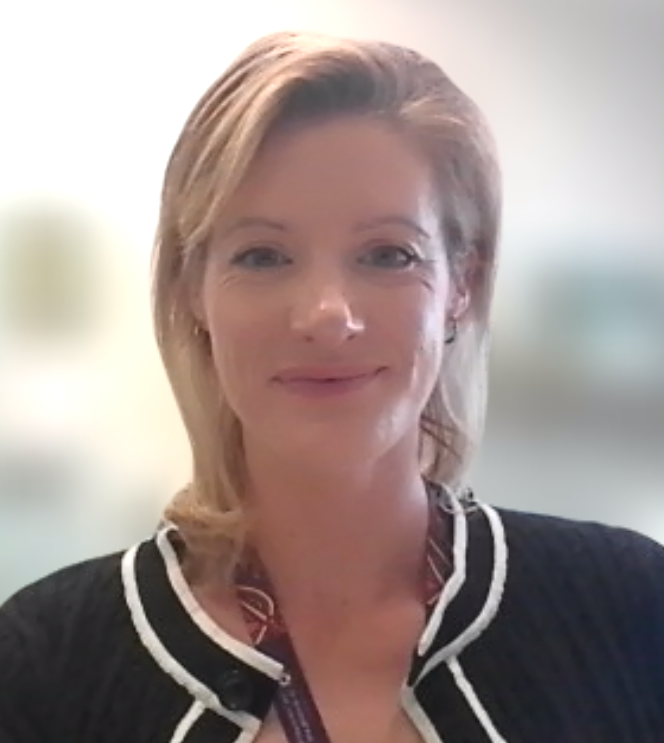 |
Dr Harriet Lawford is an infectious disease epidemiologist specialising in malaria and NTDs. She is an Honorary Fellow with the Operational Research and Decision Support for Infectious Diseases (ODeSI) team at The University of Queensland, where she supports the design, implementation, and evaluation of integrated surveillance systems for lymphatic filariasis in the Pacific Islands. |
|
Workshop 3: Travel Medicine in the Age of Climate Change and AMR Friday 11 September, 1:30pm-3:00pm Facilitator: Dr Andrea Farnham |
Travel Medicine in the Age of Climate Change and AMR Workshop Summary Coming Soon
 |
Workshop 4: Snakebite Envenoming & Marine Injuries Friday 11 September, 1:30pm-3pm Facilitator: Prof Julian White |
Snakebite Envenoming and Marine Injuries Workshop Summary Coming Soon
 |
Workshop 5: Tropical Public Health Friday 11 September, 3:30pm-5pm Facilitator: Prof Darren Gray |
Tropical Public Health Workshop Summary Coming Soon
 |
Workshop 6: Military MedicineSaturday 12 September, 9:00am-10:30am Facilitators: Dr Leonard Brennan, Dr Rebecca Suhr & Prof Dennis Shanks |
Military Medicine Workshop Summary
Military members often fall into the category of high risk travellers going to exotic destinations and living under field conditions which increases their exposure to infectious diseases. Dr Leonard Brennan is currently with the Department of Foreign Affairs and will discuss his experience immunizing official Australians particularly as it applies to dengue viruses. Dr Rebecca Suhr is a medical officer at the Australian Defence Force Malaria and Infectious Disease Institute and will discuss recent experience with infectious diseases in deployed soldiers with an emphasis on scrub typhus. Prof G. Dennis Shanks will take an historical approach to pandemics and discuss sentinel events of public health importance.
 |
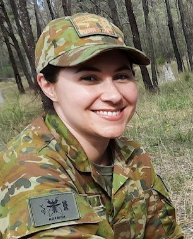
Dr Leonard Brennan joined the Department of Foreign Affairs and Trade in early 2020, leading the department’s medical response to COVID-19 for the Australian government overseas network, managing clinical cases, workplace COVID-19 safe settings and vaccinations. More recently he has overseen the roll out of the QDenga vaccine to much of the overseas network. He had over 33 years of full-time service with the Australian Army, commanding health facilities at all levels both in Australia and overseas. Dr Brennan has specialist qualifications in general practice, tropical medicine and medical administration. In 2014 he was made a Member (Military Division) of the Order of Australia for services in health support. |
 |
Dr Rebecca Suhr (FRACGP) is the current Research Medical Officer at the ADF Malaria and Infectious Disease Institute. Coming from a background of clinical health care and health planning within Army, she is focused on communicating current research findings and disease surveillance information into actionable steps and policy changes for other ADF clinicians and health planners. She is completing her last subjects in a MPHTM at JCU and intends to follow on with Public Health Physician training. |
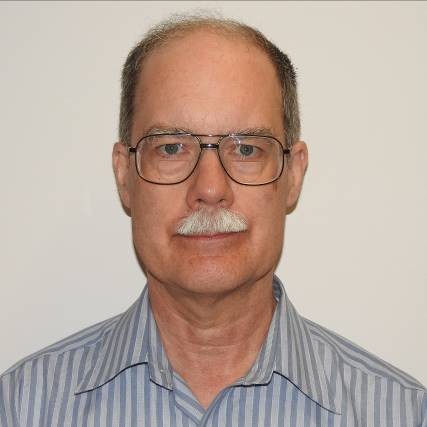 |
Prof G. Dennis Shanks has been the Director of the Australian Defence Force Malaria and Infectious Disease Institute (ADF MIDI) in Brisbane for the last 20 years and is an adjunct professor at the University of Queensland, School of Public Health. He directs militarily relevant medical research on infectious diseases capable of stopping tropical operations such as malaria, dengue and influenza. For the previous 20 years Professor (then Colonel) Shanks had been a US Army medical officer who spent the majority of his military career developing new antimalarial drugs having conducted field studies in Kenya and Thailand. |
 |
Workshop 7: Public Health & Outbreak ResponsesSaturday 12 September, 11:00am-12:30pm Facilitator: Dr Nicolas Smoll |
Public Health & Outbreak Responses Workshop Summary Coming Soon
 |
Workshop 8: Diving MedicineSaturday 12 September, 1:30pm-3pm Facilitator: Dr Catherine Meehan |
Diving Medicine Workshop Summary
This will be an interactive workshop, with ample time for questions.
Dr John Lippman: (20min)
John Lippmann OAM. Chairman and CEO of the Australasian Diving Safety Foundation (ADSF)
He will speak about the most common causes of diving fatalities in Australia
Dr Ken Thistlethwaite: (20min)
Ken is GP Anaesthetist and until recently the Co-Director of the Diving and Hyperbaric Medicine Service at the Royal Brisbane and Women’s Hospital
He will discuss the pathophysiology of decompression illness and the use of the hyperbaric chamber in treating diving accidents.
Dr Catherine Meehan: (20min)
Cathy is a GP in Cairns with a special interest in Diving Medicine. She is also on the executive committee of South Pacific Underwater Medicine Society (SPUMS)
She will coordinate the workshop and discuss what is required when doing a fitness to scuba dive assessment. She will discuss the current standards for diving medicals available in Australia at present and the role of the South Pacific Underwater Medicine Society’s (SPUMS) in setting these.
There will be advice on the current diving medicine fitness courses available in Australia at present, and a preview to new exciting venture by ADSF and SPUMS, for providing easier access to medical fitness to scuba dive courses, coming up in the not-too-distant future.
Panel Question and Answers (30min)
These presentations will be followed by a panel discussion to provide ample opportunities for Q and A.
 |
Dr John Lippmann OAM BSc Dip Ed MAppSc PhD FUHM John, a diver for 50 years, has authored 16 books on diving safety, first aid and accident management, some of which have been published worldwide. With over 70 papers relating to diving safety published in peer-reviewed medical or scientific journals, he is acknowledged as an international authority on the investigation of diving-related fatalities.
John founded the Divers Alert Network Asia-Pacific and was personally involved in the management of over 1,400 diving accidents. He then established the Australasian Diving Safety Foundation (ADSF) which provides funding for diving medical and safety research, diving safety promotions, scholarships for doctors to study dive medicine, among other things. He was awarded an Order of Australia Medallion for services to diving safety, resuscitation and first aid. He holds Senior Research Fellowships at Monash University and the Royal Lifesaving Society Australia, and a Fellowship in Undersea and Hyperbaric Medicine with the Undersea & Hyperbaric Medical Society. He has been awarded Life Membership of the South Pacific Underwater Medicine Society (SPUMS) and Life Saving Victoria. |
|
Dr Kenneth Thistlethwaite was until recently, the Co- Medical Director of the Royal Brisbane and Women’s Hospital (RBWH) Diving and Hyperbaric Medicine Service. He is a specialist in diving and hyperbaric medicine and has been a leader in Australian diving and hyperbaric medicine for more than two decades. He is a GP Anaesthetist with a SPUMS diploma in Diving and Hyperbaric Medicine (DHM), ANZCA Advanced Diploma in DHM and a DMAC Level 2 Medical Support of Offshore and Saturation Diving.
Dr Thistlethwaite is Secretary of the Australian and New Zealand Hyperbaric Medicine Group, an ANZCA Examiner, a member of the Queensland Dive and Snorkelling Death Review Panel, researcher, educator, and frequent conference speaker. He supported DAN Asia Pacific with weekly volunteer work with medical retrievals for many years. His research work has focused on wound care, diving medicine, hearing loss, diabetic management, and hyperbaric oxygen therapy outcomes. |
|
 |
Dr Catherine Meehan MBBS; Post Graduate Diploma Med Science; Diploma Diving and Hyperbaric Medicine
Catherine is a GP in Cairns, Far North Queensland, Australia. She has a special interest in diving medicine and has the South Pacific Underwater Medicine Society (SPUMS) diploma in Diving and Hyperbaric Medicine, as well as the Auckland University Post Graduate Diploma in Medical Science- Diving and Hyperbaric Medicine. Catherine has been an executive committee member of SPUMS since 1993. She has published several papers in Diving Medicine and was involved in the current Australian Diabetes Society recommendations for diving with Diabetes Mellites. Catherine is an active recreational diver. She is a Dive Master, and a qualified deep cavern diver, and enjoys advancements in recreational technical diving.
|
,
 |
Workshop 9: Melioidosis: From Soil to Sepsis Saturday 12 September, 3:30pm-5pm Facilitators: Dr Ella Meumann, Dr Josh Hanson, Dr Simon Smith, Dr Jacqueline Murdoch & Dr Jeff Warner |
Melioidosis: From Soil to Sepsis Workshop Summary
Melioidosis is caused by the soil bacterium Burkholderia pseudomallei, and is an important cause of sepsis. Most cases occur in northern Australia and in Asia, however the geographic boundaries are expanding due to improved laboratory detection, increasing rates of diabetes, environmental disturbance and climate change. This workshop will cover environmental, clinical and public health aspects of melioidosis, from soil to sepsis – and beyond.
The planned line-up is –
- Melioidosis 101 – Dr Josh Hanson
- Diagnosis of melioidosis: how not to miss the great mimicker – Dr Ella Meumann
- Treating melioidosis: trials and tribulations – Dr Simon Smith
- Public health investigation & response – Dr Jacqueline Murdoch
- Where the Burk lurks: B. pseudomallei in the environment – Dr Jeff Warner
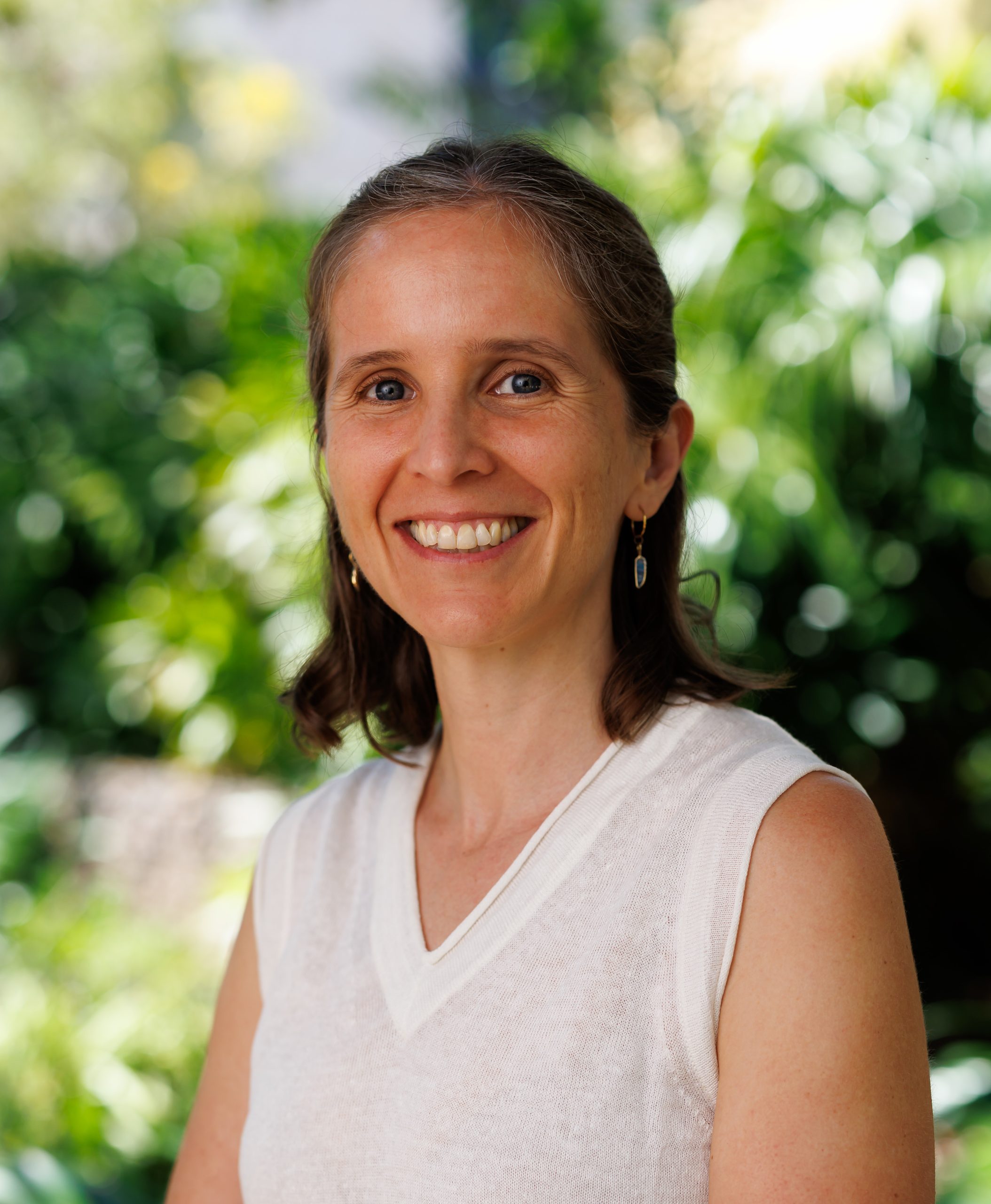 |
Dr Ella Meumann is a clinical microbiologist and infectious diseases physician at Royal Darwin Hospital, and senior research fellow at Menzies School of Health Research. Her research interests include clinical epidemiology, diagnostics, and public health applications of microbial genomics. |
| Dr Josh Hanson | |
| Dr Simon Smith | |
| Dr Jacqueline Murdoch | |
| Dr Jeff Warner |
 |
Workshop 10: Destination: Peru Sunday 13 September, 9am-10:30am Facilitator: A/Prof Luis Furaya-Kanamori |
Destination: Peru Workshop
Peru is one of South America’s most popular travel destinations, offering diverse experiences from high-altitude trekking in the Andes to rainforest expeditions in the Amazon.
This interactive workshop will explore key travel health issues relevant to travellers visiting Peru, using real-world cases and practical scenarios. Topics will include prevention and management of altitude illness, yellow fever vaccination and risk assessment, and approaches to complex travel medicine consultations.
Participants will gain practical insights into pre-travel risk assessment, vaccination decision-making, and management strategies for challenging traveller presentations, with opportunities for discussion and audience participation.
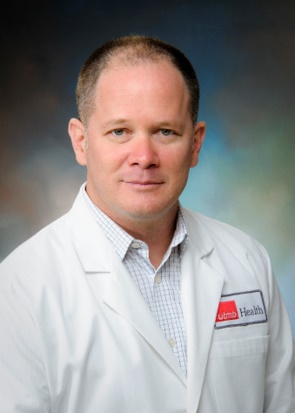 |
A/Prof Miguel Cabada: High-altitude travel and prevention of altitude illness Dr Miguel Cabada is Associate Professor and Chief of Infectious Diseases at the University of Texas Medical Branch, and Director of the Cusco Branch of the Universidad Peruana Cayetano Heredia Tropical Medicine Institute. He is President of the Latin American Society of Travel Medicine and leads research on tropical, travel-related and emerging infections in Peru. |
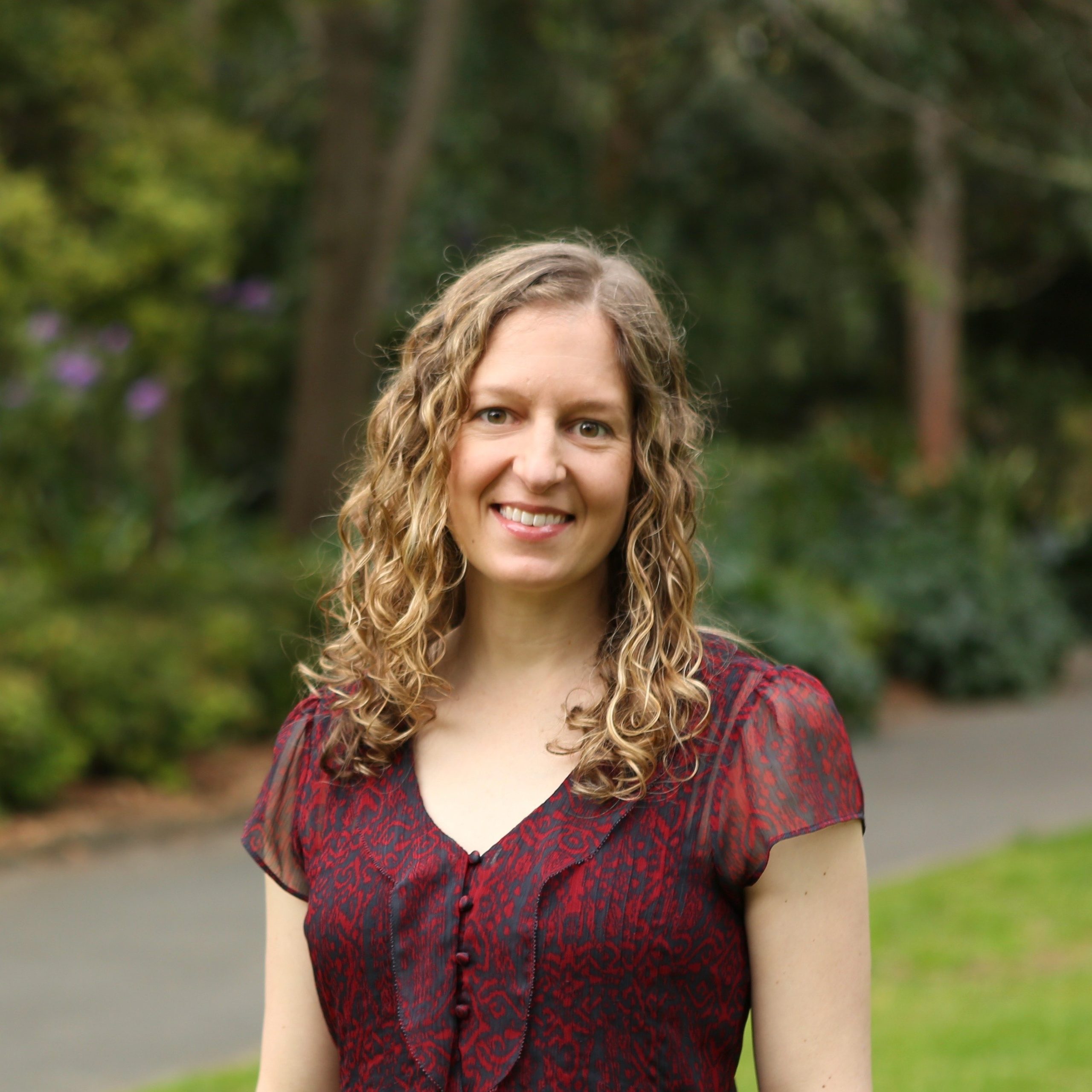 |
Dr Sarah McGuinness: Yellow fever vaccination considerations and risk assessment Dr Sarah McGuinness is an infectious diseases clinician–researcher based at Monash University. She leads the Alfred hospital’s travel clinic, is a member of the Australian Technical Advisory Group on Immunisation (ATAGI), is Associate Editor of the Journal of Travel Medicine, and serves as the ACTM’s Vice President. |
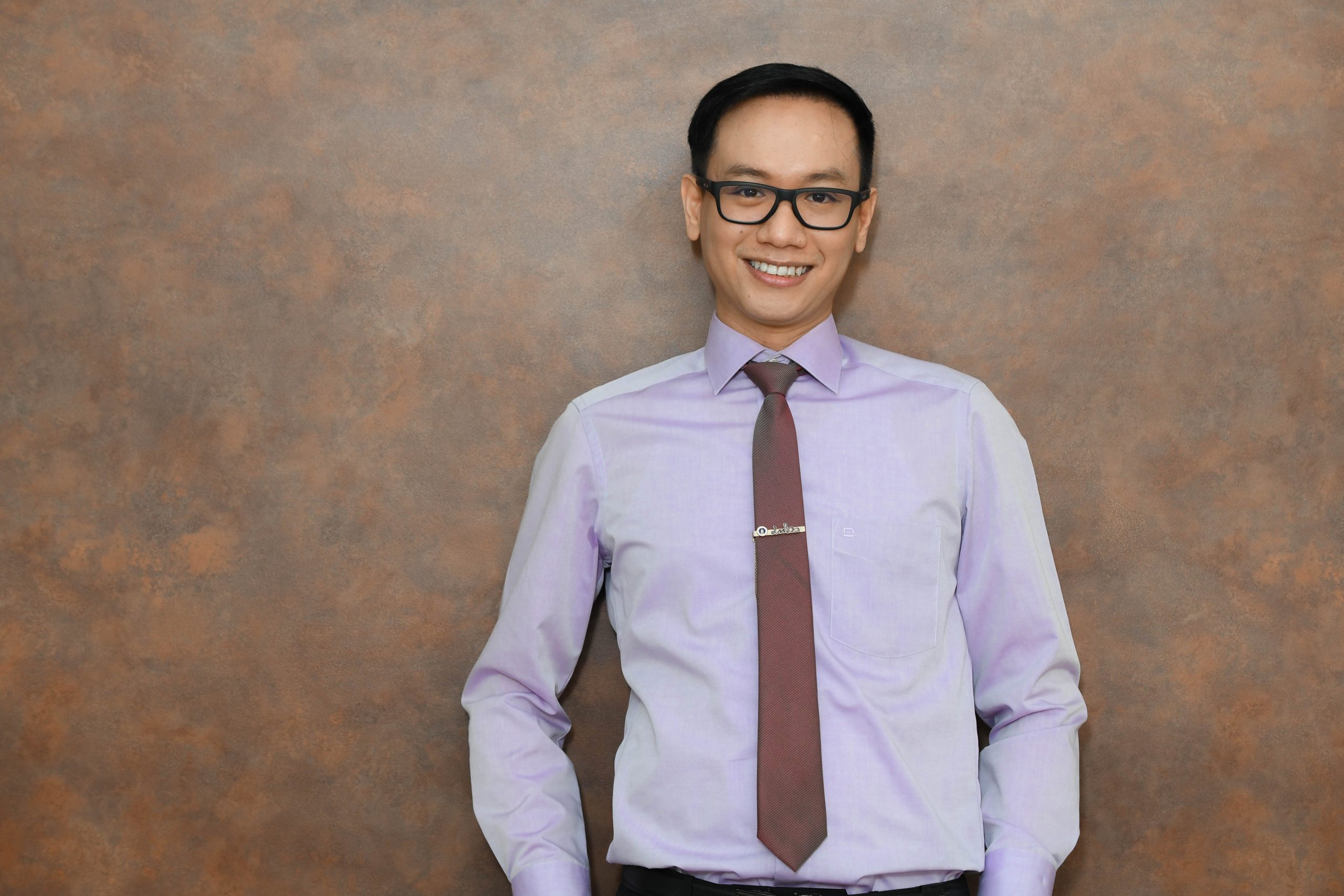 |
Dr Wasin Matsee: Management of complex travel medicine cases Dr Wasin Matsee is Assistant Professor at the Travel Medicine Research Unit, Mahidol University; Head of the Thai Travel Clinic, Hospital for Tropical Diseases; and co-site director for the Geosentinel site in Bangkok . His work focuses on travel medicine, vaccine studies, travel-related diseases and clinical tropical medicine. |